
The Definitive Guide to Crooked Teeth Before & After Transformations
What Causes Crooked Teeth and What Oral Health Problems Do They Create?
Teeth rarely grow crooked by random chance. Misalignment—known clinically as malocclusion—usually develops from an interaction between genetics, childhood habits, and jaw development. When the jaw bone is too small relative to the size of the teeth, crowding develops. Conversely, when the arch is wide, gaps and spacing can occur.
Untreated misalignment goes beyond cosmetic concerns. When teeth overlap, rotate, or tilt, they create hard-to-reach pockets that trap food debris and bacteria. Over time, this increases the risk of tooth decay and gum inflammation. Furthermore, misaligned teeth strike each other at improper angles during chewing, which can lead to abnormal enamel wear, chipped edges, and chronic tension in the jaw joints (TMJ). Exploring educational resources in our smile education center helps patients understand how bite balance protects long-term dental function.
Primary Etiology of Dental Misalignment
The most frequent cause of dental misalignment is genetic discrepancy between jaw size and tooth dimensions. If an individual inherits a narrower jaw from one parent and broader teeth from the other, crowding is almost inevitable.
Other contributing factors include:
Early Loss of Baby Teeth: Primary teeth act as natural space maintainers; losing them prematurely causes adjacent teeth to drift into the open space, blocking adult teeth from erupting correctly.
Childhood Habits: Prolonged thumb sucking, pacifier use, or tongue thrusting place continuous forward pressure on the front teeth, altering the shape of the upper arch.
Late Mandibular Growth: Late growth shifts in the lower jaw during early adulthood can compress lower front teeth, causing sudden crowding.
Long-Term Dental Health Risks of Untreated Crowding
When teeth overlap tightly, normal toothbrush bristles and dental floss cannot easily reach interproximal surfaces. This chronic plaque accumulation can cause localized gingivitis, which may advance to periodontitis and bone loss over time.
Additionally, an uneven bite distributes chewing forces disproportionately across individual teeth. Premature contacts cause micro-fractures in the enamel, gum recession from excessive lateral forces, and muscular strain across the head and neck. Addressing crowding early helps protect natural tooth structure for decades.
How Are Misaligned Smiles Corrected Through Modern Orthodontics and Cosmetic Dentistry?
Straightening crooked teeth involves either physically moving the teeth within the jawbone or reshaping their visible outer surfaces. Choosing the right approach depends on whether the underlying issue is purely aesthetic or involves functional bite imbalances.

Orthodontic movement relies on continuous, gentle mechanical pressure to trigger bone remodeling, allowing teeth to safely shift into proper alignment over several months. For adults seeking aesthetic improvements for minor rotations or spacing, modern restorative cosmetic dentistry techniques—such as porcelain veneers—can provide a balanced appearance by restoring natural symmetry.
Fixed Appliances: Metal vs Ceramic Braces
Fixed brackets, which are placed by orthodontists rather than in our office, remain a dependable method for correcting moderate to severe tooth rotations, vertical misalignments, and skeletal discrepancies. I include them here so you can compare every option honestly. Traditional metal braces utilize stainless steel brackets and resilient archwires to achieve precise, three-dimensional control over root positioning.
For patients seeking a less noticeable fixed appliance, ceramic brackets blend in with the natural shade of tooth enamel. While ceramic materials require diligent oral hygiene to prevent staining around the adhesive margins, they provide comparable rotational control. Both appliance styles are typically evaluated and adjusted at regular intervals of four to eight weeks, with many complex crowding cases resolving over 12 to 24 months, as detailed in guidelines from the American Association of Orthodontists.
Removable Clear Aligners and Modern Digital Planning
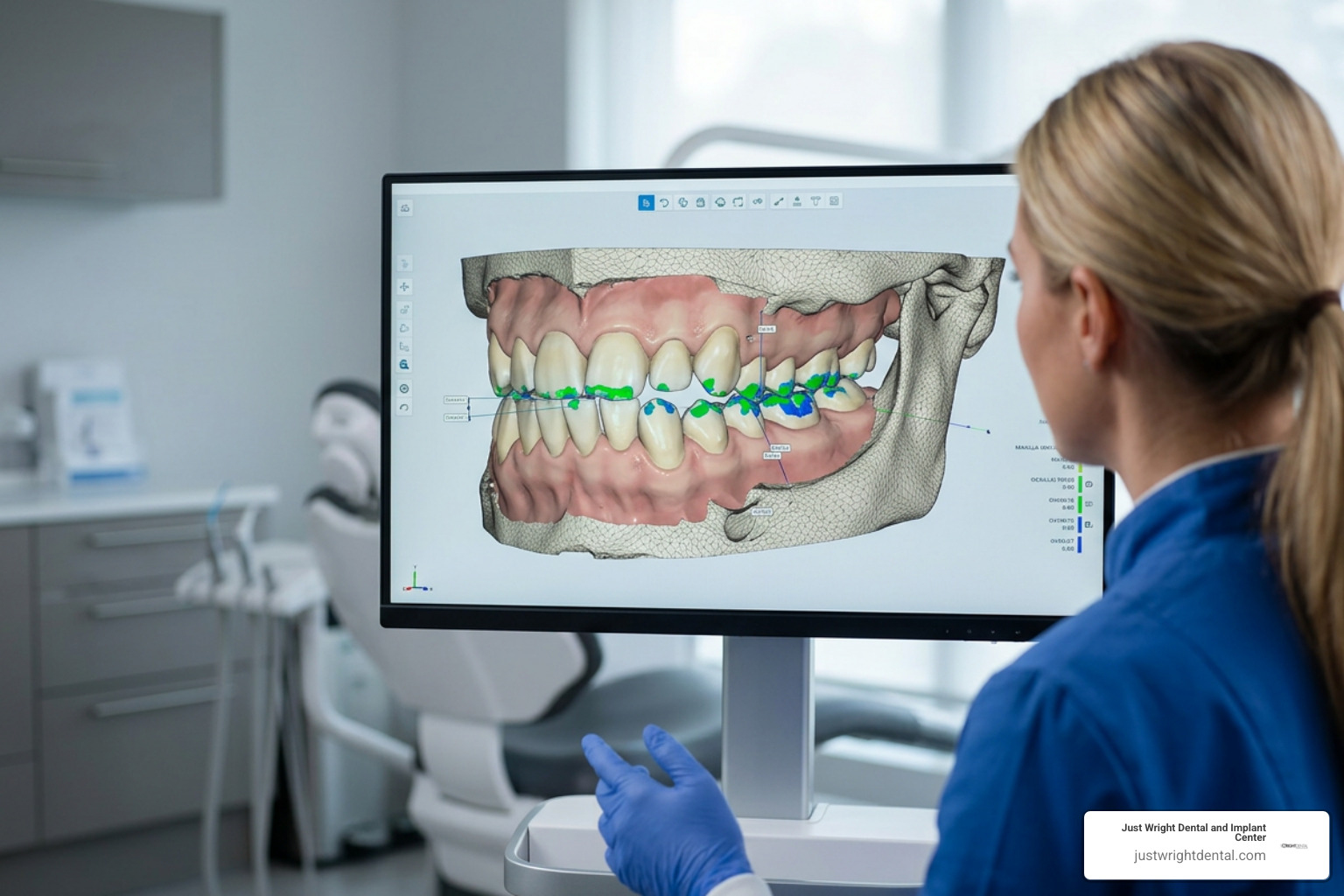
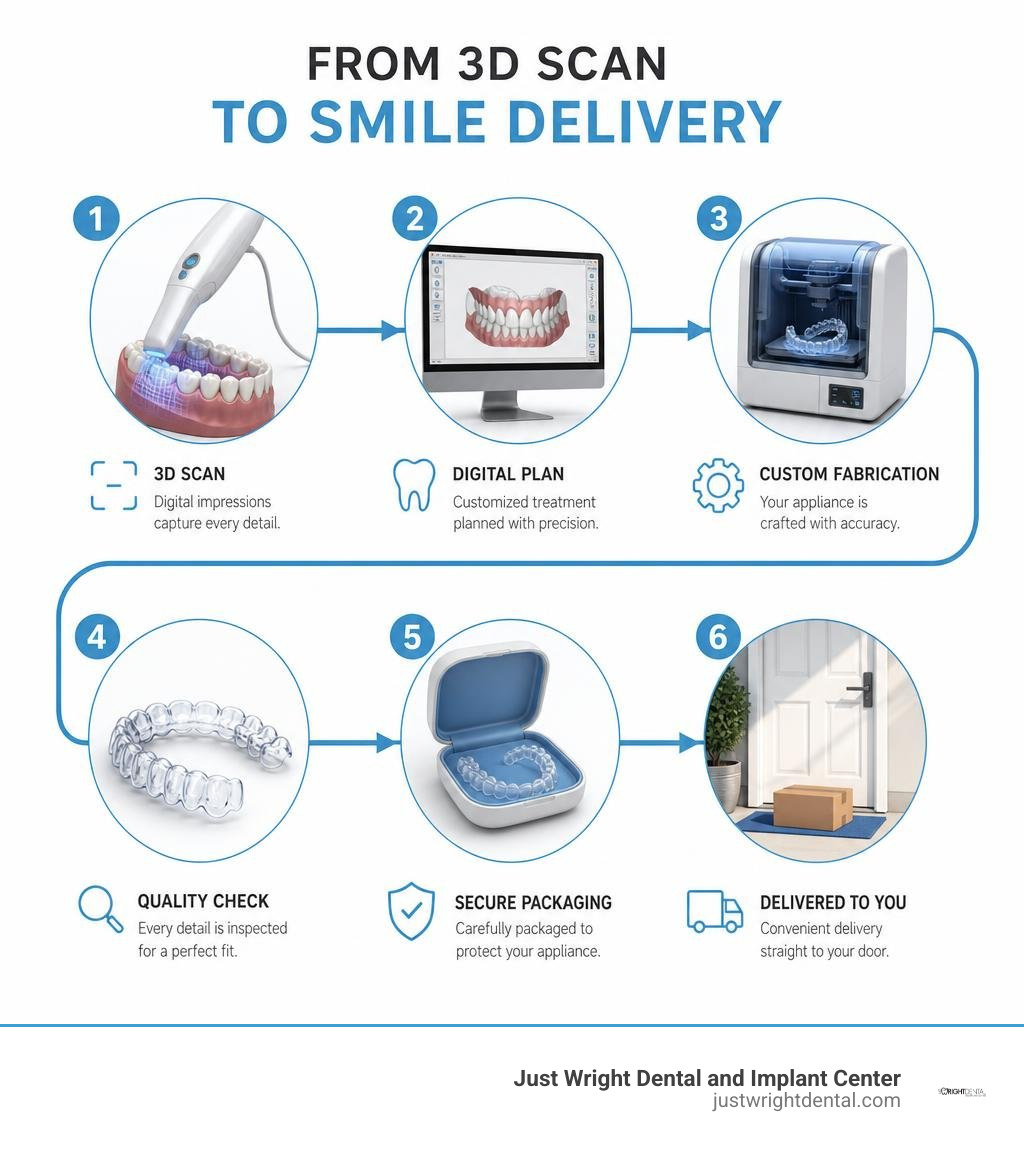
Clear aligner therapy, which is the straightening method we offer in our Corsicana office through Invisalign, utilizes a series of custom-molded, transparent plastic trays to guide teeth into position step-by-step. Using high-resolution 3D intraoral scans, digital software maps out the exact movement required for each individual tooth.
Key elements of modern aligner systems include:
Composite Attachments: Small, tooth-colored resin buttons temporarily bonded to specific teeth, giving the aligner tray leverage to perform complex rotations and intrusions.
Bite Ramps: Built-in ledges on the back of the upper front aligners that prevent the back teeth from biting down fully, allowing the deep bite to open naturally.
Daily Wear Discipline: Aligners must be worn 20 to 22 hours per day, removed only for eating, drinking non-water beverages, and brushing.
Rapid Aesthetic Alignment with Porcelain Veneers
When teeth have minor rotations, slight gaps, or surface imperfections, porcelain veneers offer an aesthetic alternative without the extended timeline of orthodontics. Custom veneers are thin ceramic shells bonded directly to the front surface of the enamel.
While orthodontics moves the natural tooth root, veneers modify the visible contour, shape, and shade of the tooth crown. This approach is well-suited for adults who desire a refined smile appearance alongside correction for worn, chipped, or discolored enamel.
What Do Crooked Teeth Before After Results Reveal Across Different Smile Concerns?
Examining real before-and-after cases reveals how orthodontic mechanics resolve different types of dental misalignments. Straightening teeth involves broadening collapsed arches, establishing correct canine guidance, and leveling the smile line so it harmonizes naturally with the lips.
Treatment Option | Primary Indication | Typical Duration | Aesthetic Profile |
|---|---|---|---|
Metal Braces | Severe crowding, large overjets, complex root movements | 14 – 30 Months | High visibility, highly durable |
Ceramic Braces | Moderate to severe crowding, aesthetic preference | 14 – 24 Months | Discreet, tooth-colored |
Clear Aligners | Mild to moderate crowding, relapse, deep bite correction | 12 – 18 Months | Nearly invisible, removable |
Porcelain Veneers | Minor rotations, spacing, worn or chipped enamel | 2 – 4 Weeks | Highly aesthetic, immediate symmetry |
Real Patient Crooked Teeth Before After Case Studies for Crowding and Spacing
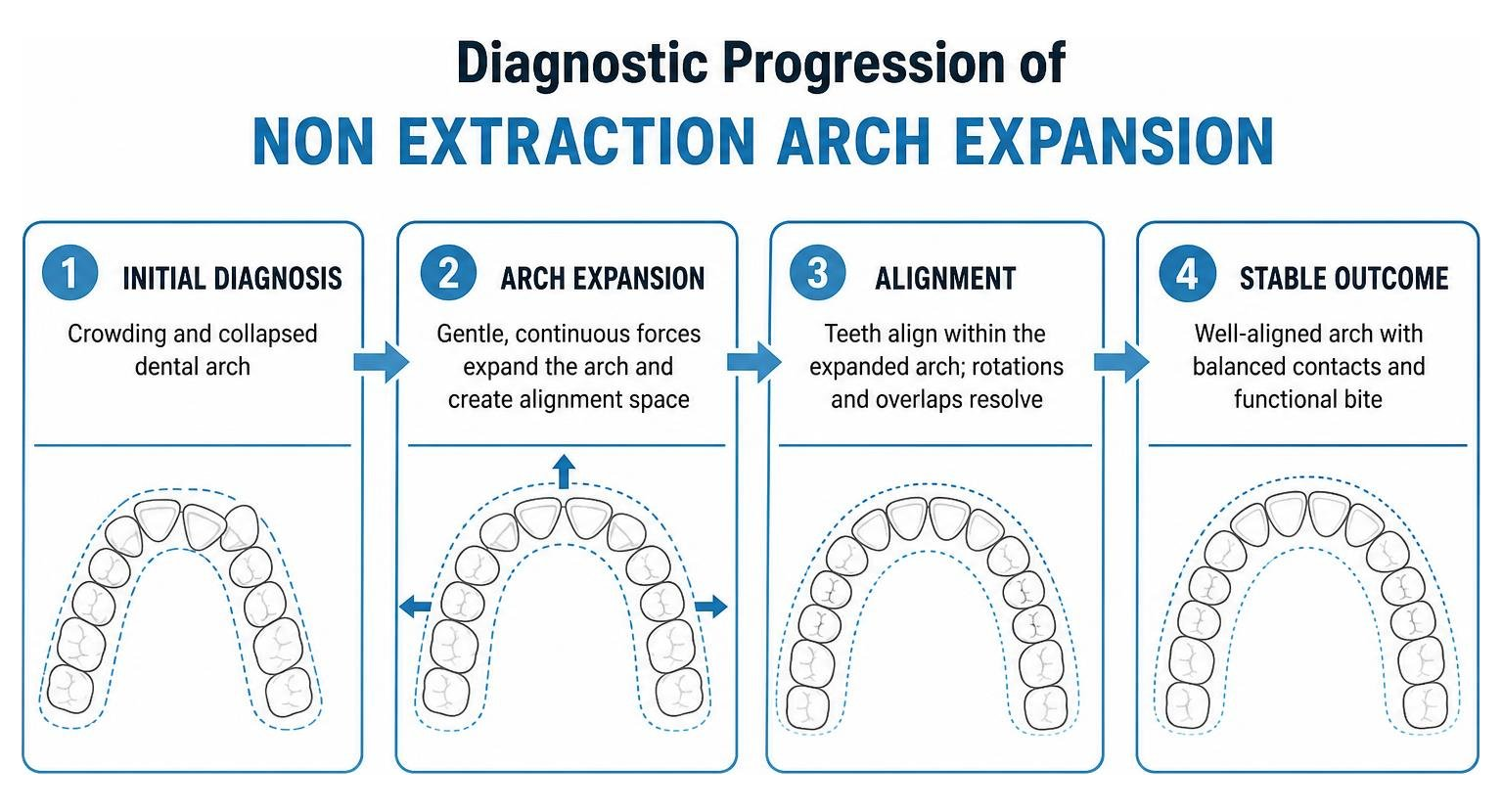
Lower front tooth crowding is one of the most common complaints among adult patients. When lower incisors overlap, they often look crowded and uneven. By applying continuous, light archwire pressure or sequential aligners, the dental arch can be gradually expanded to align rotated incisors without extracting healthy teeth.
For spacing concerns, such as a prominent gap between the upper central incisors (diastema), treatment involves closing the space while maintaining balanced midline symmetry. Documented outcomes in orthodontic case reviews demonstrate how controlled space closure establishes a stable, functional contact point between teeth.
Comparing Crooked Teeth Before After Bite Corrections: Overjet and Deep Bite
A significant misalignment often involves how the upper and lower arches meet:
Increased Overjet: An overjet occurs when the upper front teeth project horizontally past the lower front teeth. Using fixed appliances with intermaxillary elastics helps bring the upper and lower arches into proper alignment.
Deep Bite (Overbite): In a deep bite, the upper front teeth excessively overlap the lower front teeth vertically, sometimes causing the lower incisors to bite into the roof of the mouth. Clinical evaluations show that aligners equipped with bite ramps can intrude the front incisors and level the bite plane comfortably.
Can Adults Straighten Crooked Teeth Without Braces or Extractions?
Adults often ask if their teeth can be straightened without extracting healthy permanent teeth. In modern dentistry, non-extraction therapy is practical for many patients, thanks to digital planning and advanced arch-expansion techniques.
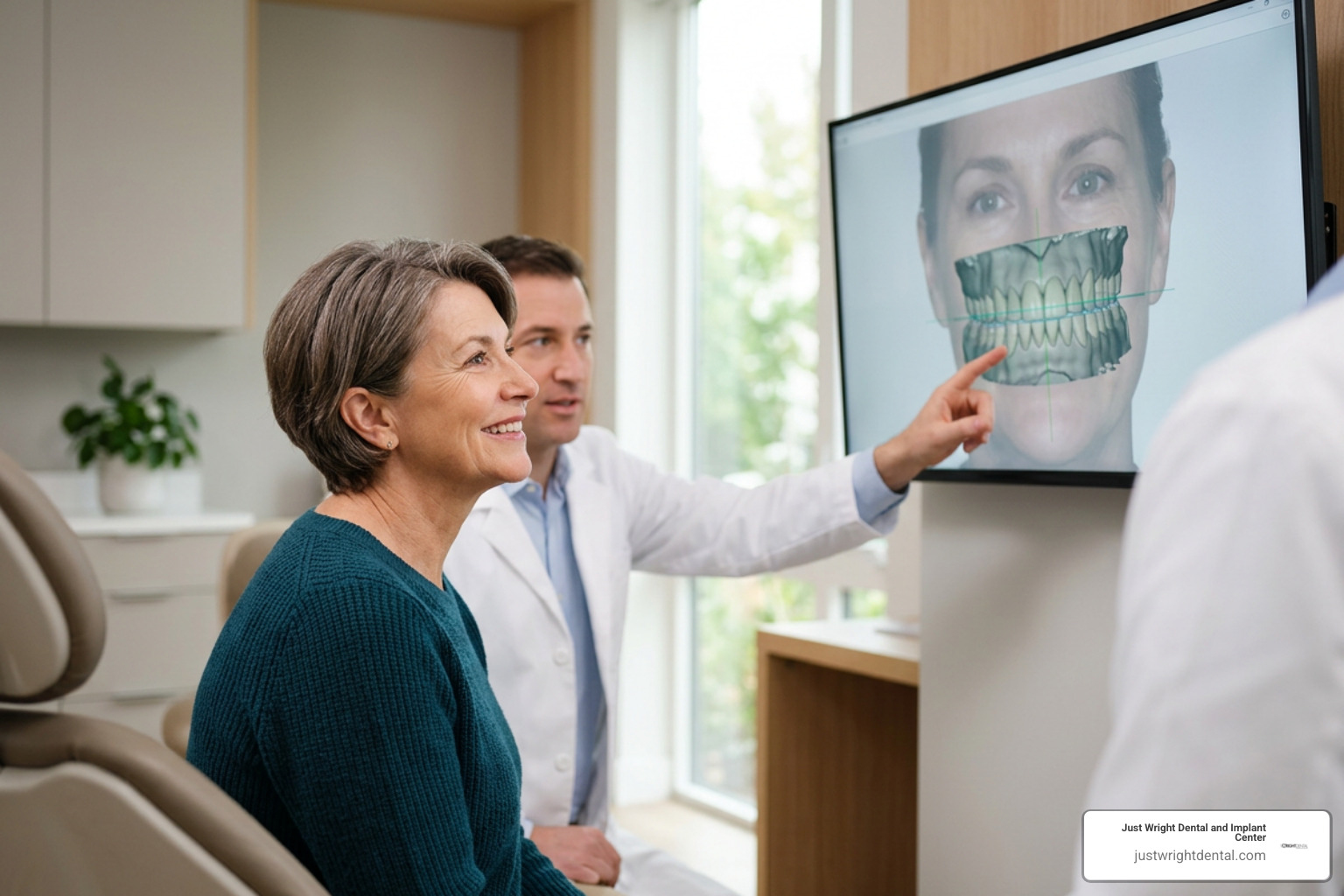
Healthy bone remodeling occurs at any age. As long as the supporting jawbone and gums are healthy, adult teeth respond smoothly to orthodontic forces. Reviewing real patient smile transformations highlights how adult smiles can be restored comfortably and discreetly.
Non-Extraction Solutions for Moderate to Severe Crowding
In past decades, severe crowding was frequently treated by extracting premolars. Today, advanced bracket designs, self-ligating systems, and broad archwires can expand the arch naturally to create room for crowded teeth, as shown in modern clinical case analyses of non-extraction mechanics.
When minor space is needed, a technique called interproximal reduction (IPR) can be used. IPR carefully polishes away fractions of a millimeter of enamel between select teeth, creating sufficient clearance to align rotated teeth without altering facial balance or requiring extractions.
Adult Orthodontic Treatment and Post-Brace Relapse Care
Many adults experience orthodontic relapse—where teeth gradually shift years after adolescent braces because retainers were discontinued. Adult alignment can often be achieved in a shorter timeframe using clear aligners to guide teeth back into position. For adults with localized enamel wear or uneven edges, combining alignment with conservative restorative care delivers a refreshed, stable smile.
What Is the Treatment Investment and How Do You Choose the Best Straightening Method?
The right straightening method depends on your bite, the amount of crowding or spacing, your daily routine, and your long-term oral health goals. In my consultations, I look at both appearance and function so we can choose an option that fits your smile rather than forcing you into a one-size-fits-all plan.
Navigating insurance coverage and scheduling is straightforward with our team. Our dedicated Medical Insurance Coordinator works directly with insurance providers to handle preauthorizations, claims, appeals, and audits, helping you understand your financial options clearly from day one.
Evaluating Lifestyle, Severity, and Appliance Options
When deciding between clear aligners and fixed braces, consider your daily routine:
Clear Aligners: Offer exceptional aesthetics and let you brush and floss normally without navigating wires. However, they require strict personal discipline to wear them at least 22 hours daily.
Fixed Braces: Work around the clock without requiring you to track wear time, making them ideal for complex skeletal corrections or busy routines.
Retainers and Protecting Long-Term Alignment
After active movement is complete, teeth naturally tend to shift back toward their original positions due to the elasticity of periodontal fibers. Retainers are essential for preserving your final alignment over time.
Most patients use a clear, custom-fitted removable retainer worn nightly. In cases with a high risk of relapse, a thin lingual wire can be discreetly bonded behind the front teeth to provide continuous support.
How Can You Transform Your Smile with Precision Care?
At Just Wright Dental and Implant Center in Corsicana, Texas, we believe in treating the whole person, not just their teeth. Every smile transformation begins with comprehensive 3D facial and intraoral scanning to evaluate your bite balance, joint stability, and facial aesthetics—helping your final results harmonize naturally with your features.

With our 12 in-house CAD/CAM mills and 4 high-precision 3D printers, we craft restorations on-site with meticulous detail and zero outside-lab delays. Whether you want to correct crowding, realign your bite, or undergo a complete smile makeover, we provide gentle, concierge care tailored to your goals. To be clear about what we do in-house: we straighten teeth with clear aligners (Invisalign), reshape smiles with porcelain veneers, and rebuild worn or failing teeth with crowns, bridges and dental implants. We do not place traditional metal or ceramic braces. When a bite truly needs fixed braces, I say so plainly and coordinate that part of the plan with a trusted orthodontist while we handle everything else under one roof.
We invite you to explore our before and after smile transformation gallery to see real patient results, and contact us today to schedule a free smile assessment at our Corsicana office.
Frequently Asked Questions About Straightening Crooked Teeth
How long does it typically take to fix crooked teeth?
The overall timeframe depends on the severity of crowding, bite alignment, and the chosen treatment method. Mild crowding or minor relapse cases often resolve in 6 to 12 months, whereas complex bite corrections, deep bites, or severe rotations typically require 14 to 24 months of consistent orthodontic movement.
Will I experience discomfort while straightening my teeth?
Orthodontic treatment applies light, continuous pressure to guide teeth through the jawbone, which can cause mild soreness for a few days after adjustments or when switching aligner trays. This sensation is a normal sign of active tooth movement and is easily managed with soft foods and over-the-counter pain relievers.
What is the primary difference between clear aligners and braces?
Clear aligners are removable, transparent trays that offer convenience during meals and allow for normal brushing and flossing without specialized tools. Fixed braces use bonded brackets and archwires, providing continuous, 24-hour mechanical force that is especially effective for complex vertical movements and severe rotations.
Do teeth shift back after orthodontic treatment is completed?
Teeth have a natural tendency to shift over time due to age-related changes and the memory of the periodontal ligament fibers. Wearing a custom retainer nightly stabilizes the surrounding bone and helps keep your straight alignment secure long after active treatment ends.
How do I maintain good oral hygiene with braces or aligners?
Patients with fixed braces should use orthodontic floss threaders, interdental brushes, and water flossers to remove plaque around brackets and wires daily. Clear aligner patients should brush and floss thoroughly after every meal before reinserting their trays to prevent trapping sugars and plaque against their teeth.